ServicesKids' Dentistry
Kids' Dentistry in Auburn
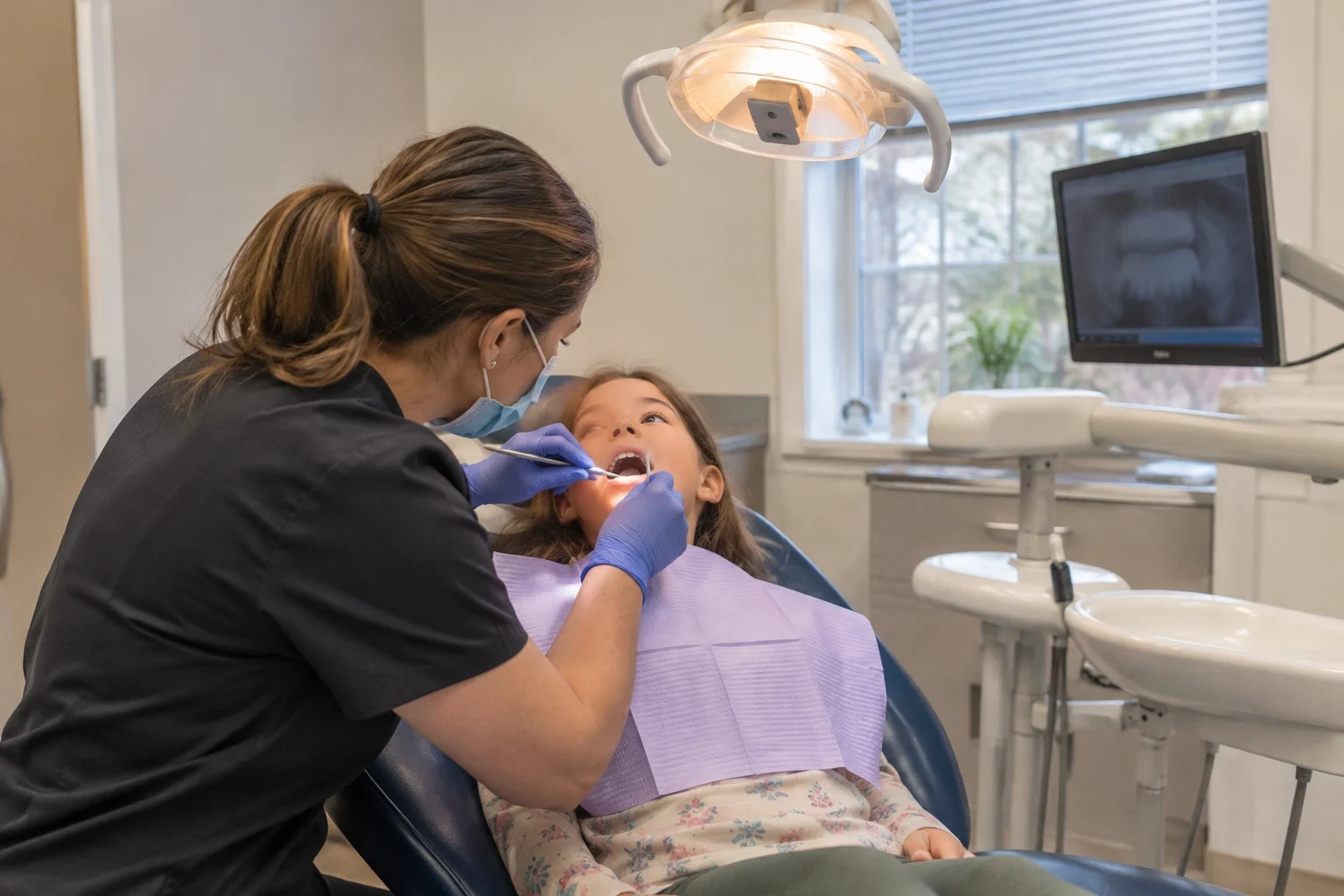
Your child's visit starts with a slow, careful look at every tooth, and you hear what we found in plain words before anything else happens. Then we talk through options together, so treatment is never a surprise for you or your child.
Dental care sized for small mouths and big worries
Kids' dentistry covers the care children need from their first tooth through their teen years: checkups, cleanings, fluoride, sealants, and treating cavities when they show up. Baby teeth matter more than many parents expect. They hold space for adult teeth, help with speech and chewing, and a cavity left alone can turn into pain or infection.
We work at a child's pace. That means showing the tools before using them, counting teeth out loud, and stopping when a little one needs a break. You stay in the room if you like.
Families come to us from Auburn and nearby towns like Millbury, Leicester and Oxford. Most simply want a calm visit and a straight answer about whether anything needs fixing.
What a kids' visit includes
- A careful tooth-by-tooth exam
- We check each tooth, the gums, the bite and how adult teeth are coming in. You get a plain summary of what looks healthy and what we want to watch.
- Gentle cleaning
- We remove plaque and tartar with small instruments and a soft polish. Kids usually pick a flavor, which helps.
- X-rays only when they are useful
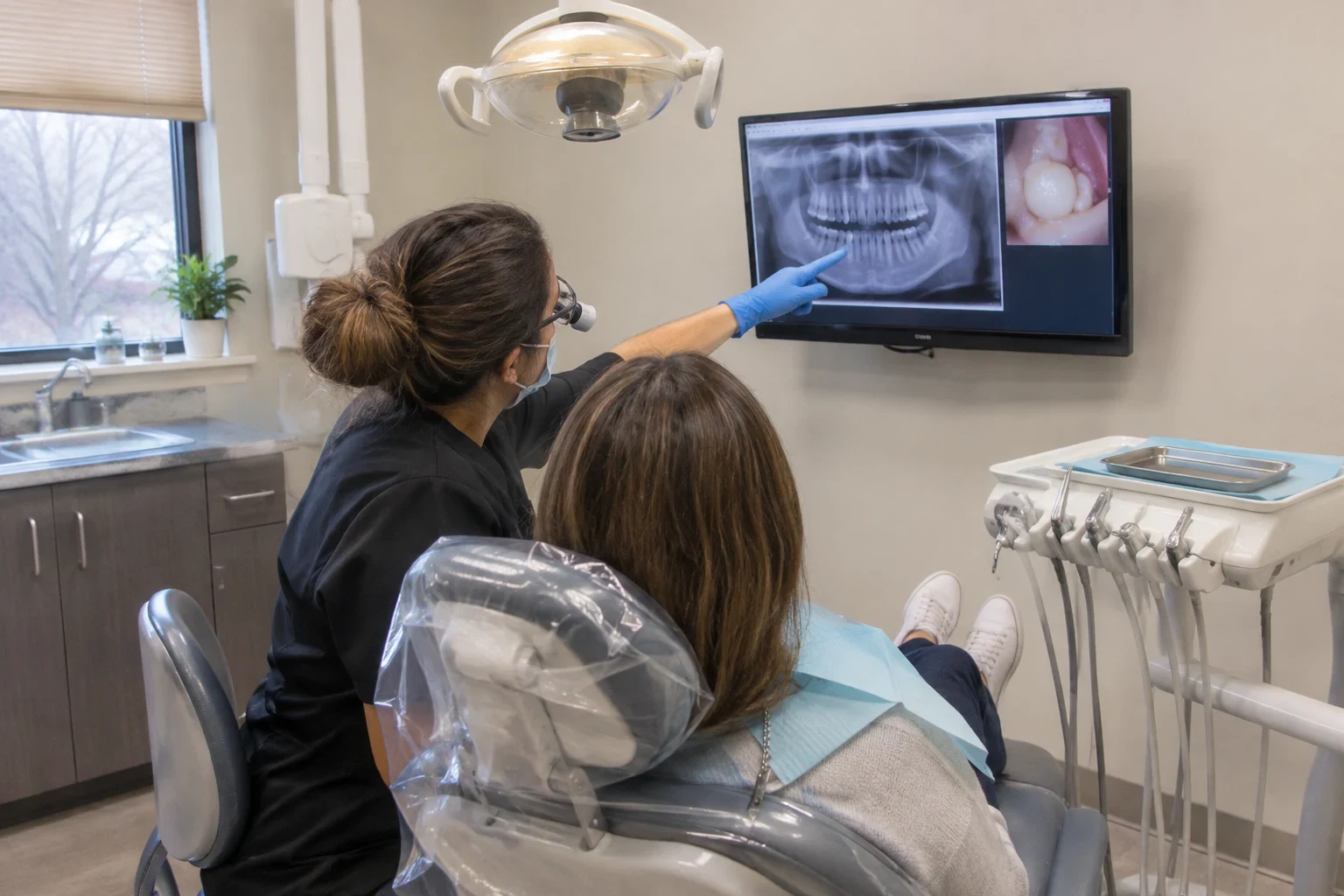
- We take X-rays based on your child's age, cavity risk and what we see, not on a fixed schedule for everyone. We explain why before taking any.
- Fluoride varnish
- A thin coat painted on in seconds that helps strengthen enamel. Your child can eat soon after, with a few simple instructions we go over with you.
- Sealants for back teeth
- The chewing surfaces of molars have deep grooves where food and bacteria hide. A sealant fills those grooves with a protective coating, and placing one involves no drilling or numbing.
- Coaching for parents
- We show you how to brush and floss a squirmy toddler, talk about bottles, snacks and juice, and answer questions about thumb sucking or pacifiers.
Signs your child should see a dentist
No visit yet by age one
A first visit around the first birthday, or when the first tooth appears, catches problems early and lets your child get used to the chair while nothing hurts.
White, brown or dark spots
Chalky white lines near the gums are often the earliest stage of decay. Brown or dark spots can mean a cavity has formed.
Complaints when eating
Wincing at cold drinks, chewing on one side or avoiding certain foods can point to a sore tooth. Kids rarely describe tooth pain clearly, so watch for these habits.
Bleeding or puffy gums
Gums that bleed when brushed usually mean plaque is building up along the gumline. It is often reversible with better cleaning at home and a professional cleaning.
Adult teeth coming in behind baby teeth
Sometimes a permanent tooth erupts before the baby tooth falls out, creating a double row. We check whether the baby tooth will loosen on its own or needs a little help.
How your child's appointment goes
- 1
A quick hello
We meet your child, let them sit in the chair and ride it up and down. Nervous kids often relax once they have seen the light and mirror up close.
- 2
The look and the count
We examine every tooth and the gums, and take X-rays only if they will answer a real question. You can watch and ask questions as we go.
- 3
Cleaning and fluoride
Your child's teeth are cleaned and polished, then fluoride varnish is brushed on. For most kids this whole part takes only a few minutes.
- 4
Plain findings, then a plan
We tell you what we saw and show you on the X-ray or with a mirror. If anything needs treatment, such as fillings or sealants, we explain the options and timing, and you decide.
What affects the price of a kids' visit
For most children, a checkup and cleaning is the simplest and most predictable appointment. The bigger cost differences come from what we find during the exam and any care that follows. We accept most dental insurance plans and will review your child's benefits with you before treatment begins. If a treatment plan is larger, the CareCredit Patient Payment Plan lets you pay over time.
- Your child's coverage
- Plenty of plans cover children's checkups, cleanings and fluoride generously. Sealants and fillings often fall under separate rules, so we go over your benefits together before anything is scheduled.
- Families without insurance
- You still get a clear picture up front. Our Office Dental Plan for patients without insurance is one way to manage costs, and we are glad to explain it on the phone.
- X-rays, if any
- Some visits need none. When images will answer a real question, how many and which kind depend on your child's age and how prone they are to cavities.
- Number of sealed teeth
- Sealants are charged tooth by tooth. Most children have them placed on their permanent molars as each one comes in.
- How far a cavity has gone
- Catching decay while it is small usually means a quick, simple filling. Deeper decay can call for more involved treatment, which is why staying on a regular checkup schedule often saves money in the long run.
Parents' questions about kids' dentistry
Something not covered here? (508) 682-5159
When should my child have their first dental visit?
Plan on the first birthday, or within about six months of that first tooth coming in. The visit is brief and gentle. We count teeth, take a look at the gums and leave time for your questions about teething, bottles and brushing.
Am I allowed in the room with my child?
Of course. Little ones often settle down faster with a parent nearby, so you are welcome to stay. Some older kids would rather sit in the chair on their own, and we are happy with that as well.
Why fill a baby tooth that is going to fall out anyway?
In many cases it is worth it. Some back baby teeth hang on until age ten to twelve, and an untreated cavity can grow, hurt or affect the permanent tooth forming beneath it. When a tooth is already loose and close to coming out, we will say so plainly and may suggest simply keeping an eye on it.
My child gets nervous at the dentist. How do you help?
We take our time, describe every step in words kids understand and let your child touch the mirror or polisher before we use it. Together we pick a hand signal that means pause. If a visit is going badly, we would rather stop and try again on another day than force it.
How often does my child need a checkup?
Every six months works well for most children. Kids who are more prone to cavities may benefit from more frequent visits, and we will tell you if your child falls into that group.
What exactly is a sealant, and does it involve drilling?
A sealant is a thin protective layer that bonds into the grooves on the chewing surfaces of back teeth. Dentists have relied on them for decades, they go on in a few minutes, and there is no drilling or numbing. At every checkup we look them over and reapply any spots that have worn.
Ready for a calm, careful checkup
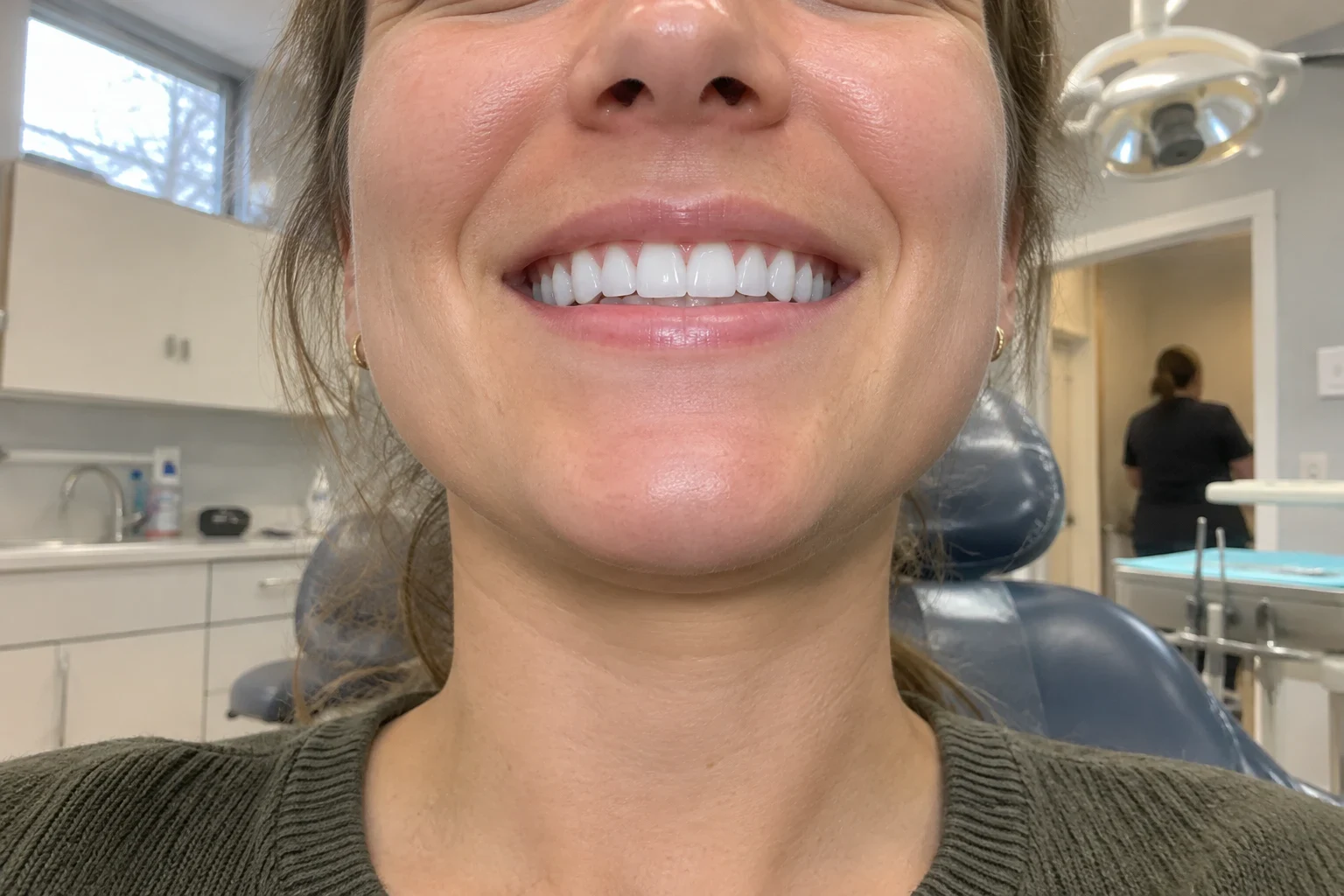
We will look closely, tell you what we found and plan next steps together. A phone call is all it takes to get your child on the schedule.