ServicesFillings
Fillings in Auburn, MA
A cavity caught early is a small, quick fix. We look closely first, show you what we see on the X-ray and in the mouth, then place a tooth-colored filling that blends with your smile and lets you chew comfortably again.
A small repair that protects the whole tooth
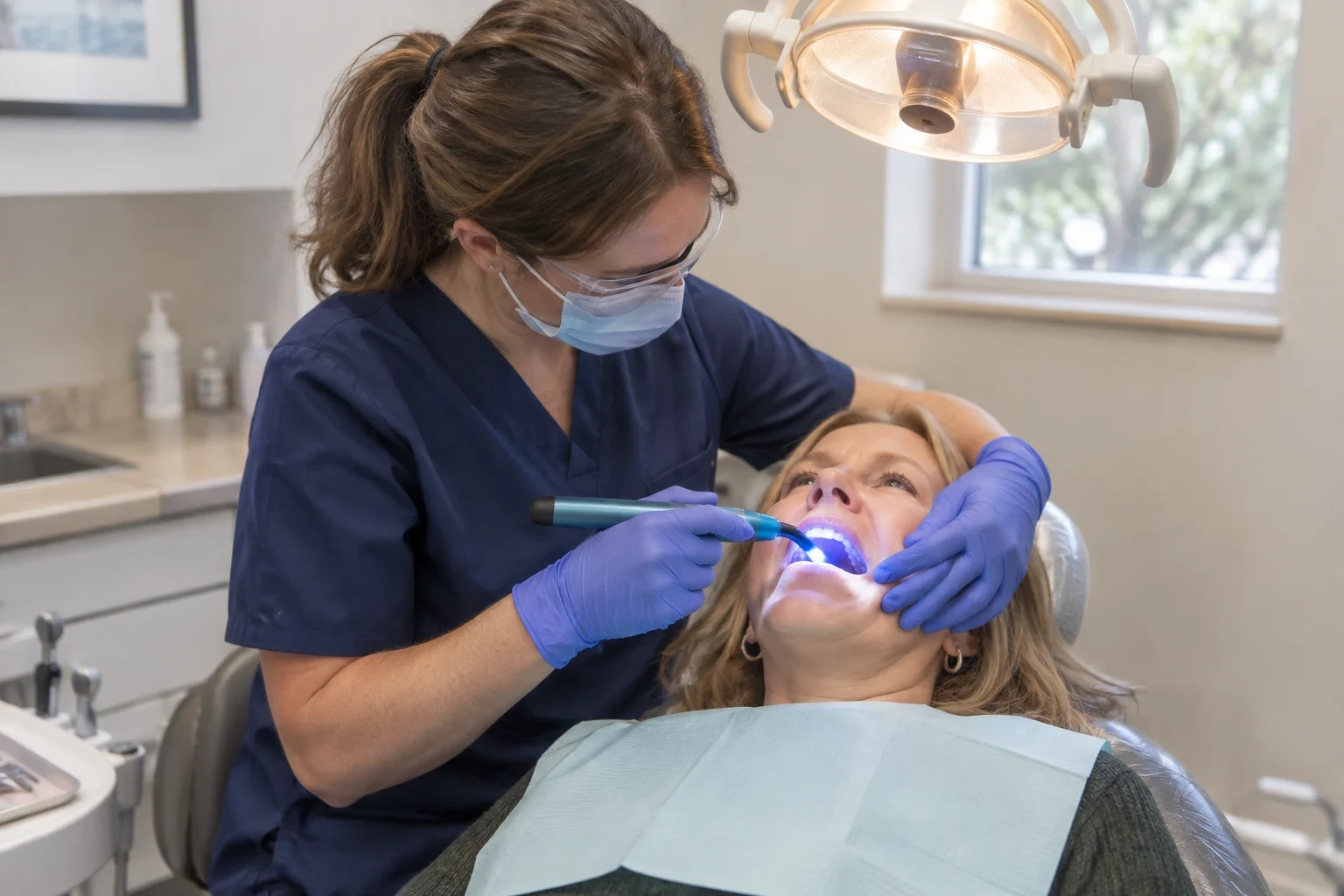
A filling replaces the part of a tooth that decay has softened. We remove the damaged area, clean it, and rebuild the tooth with composite resin, a tooth-colored material that bonds directly to enamel. Once it hardens, you can eat and brush like normal.
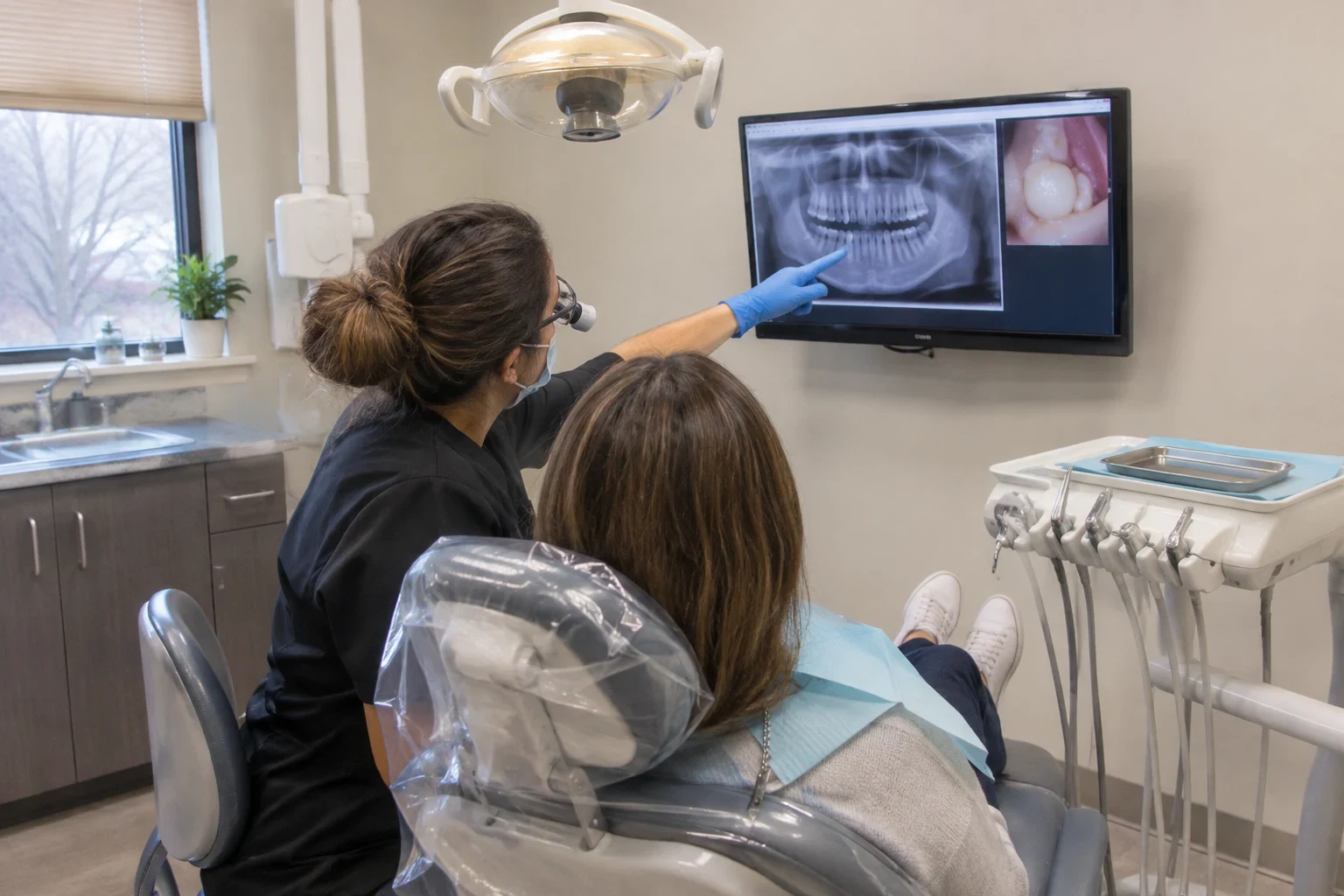
Before we suggest anything, we examine the tooth carefully. That means a look with good light and magnification, X-rays when they are needed, and a plain explanation of what we found. Sometimes a dark spot is only a stain and needs nothing. Sometimes an early soft area can be watched. When a filling is the right call, we tell you why and point to it on the image.
If the damage turns out to be too large for a filling to hold up, we say so. In that case a crown may protect the tooth better, and we can walk you through crowns and bridges as an option.
What your filling visit includes
A close look before any drilling
We check the tooth, the ones around it and your bite. You see the same X-ray we do, and we explain it in everyday words.
Numbing that is given slowly
A topical gel goes on first, then local anesthetic is given gently. We check that the area is fully numb before we start.
Only the decay comes out
We remove the softened part and keep as much healthy tooth as we can. Composite bonds to the tooth, so we rarely need to cut extra room the way older metal fillings required.
Tooth-colored composite, built in layers
We match the shade to your tooth, place the resin in thin layers and harden each one with a curing light. Layering helps the filling seal well at the edges.
Bite check and polish
We shape the filling so your teeth meet normally, then polish it smooth so your tongue does not catch on a rough edge.
Clear aftercare notes
Before you leave, we tell you what to expect while the numbness fades and which signs mean you should give us a call.
When a tooth is asking for a closer look
- Sharp sensitivity to cold or sugar
- A brief jolt from an iced drink or something sweet can mean decay has broken through the enamel. Having it checked early can keep it from turning into a steady ache.
- Food keeps catching in one spot
- If floss shreds or food packs between the same two teeth, there may be a cavity or a broken edge.
- A dark spot or a rough patch
- Brown or gray areas, or a spot your tongue keeps finding, should be looked at. Not every dark mark is decay, which is why we examine before we recommend.
- An old filling that looks worn
- Fillings do not last forever. Chipped edges, a gap around the margin or decay underneath can all mean it is time to replace one.
- Discomfort when you bite down
- A sore feeling on one tooth when chewing can point to a crack or a cavity. We test the bite to find which tooth is involved.
How the appointment goes
- 1
Exam and findings
We look at the tooth, take X-rays if needed and show you what we see. You hear the options, including waiting when that is reasonable, before anything starts.
- 2
Getting comfortable
We numb the area gently and give it a few minutes. You can raise a hand at any point if you need a break.
- 3
Cleaning out the decay
We remove the soft, damaged tooth and prepare the surface so the filling bonds firmly.
- 4
Placing and shaping
The composite goes in layer by layer and is hardened with a curing light. We shape it to match your natural tooth and check your bite with thin marking paper.
- 5
Heading home
Most single fillings take under an hour. Chew on the other side for a while, since a numb lip or tongue is easy to nip without noticing.
What shapes the price of a filling
Once we have examined the tooth and know how large the repair will be, we tell you the cost before any work starts. We accept most dental insurance plans and go over your coverage with you. We also offer an Office Dental Plan for patients without insurance, and financing is available through the CareCredit Patient Payment Plan.
- Number of surfaces to rebuild
- Restoring one face of a tooth is a simpler repair than a filling that wraps across two or three sides.
- Front tooth or back molar
- Molars sit farther back and have deeper grooves, so they take longer to reach, fill and shape.
- Swapping out an existing filling
- Taking out an old filling and clearing any decay hiding under it adds time and steps to the appointment.
- What your plan covers
- Insurance benefits for fillings differ between plans. We walk through what your plan should pay and the portion you can expect to cover.
Questions about fillings
- Will getting a filling hurt?
- Most patients feel pressure and vibration, not pain. We numb the area well and check before starting. Some mild tenderness or cold sensitivity for a few days afterward is normal.
- How long does a tooth-colored filling last?
- There is no single answer. A larger filling, one on a molar that takes heavy chewing, or habits like grinding and frequent snacking can shorten its life. Daily brushing and flossing, plus regular exams and cleanings, help it hold up. We look over your existing fillings at every visit so we spot wear early.
- Can I eat right after my appointment?
- Composite hardens fully under the curing light, so the filling is ready right away. The wait is for the numbness. Holding off until feeling returns keeps you from biting your lip or cheek.
- Do you replace old silver fillings?
- We can, when there is a real reason, such as a crack, decay underneath or a broken edge. A silver filling that is sound and sealed does not always need to come out. We look first and tell you honestly which situation you are in.
- What if the cavity is too big for a filling?
- Then a filling may not be strong enough, and a crown could protect the tooth better. If decay has reached the nerve, other treatment may be needed. We explain what we see and the options before deciding anything.
Get that tooth looked at
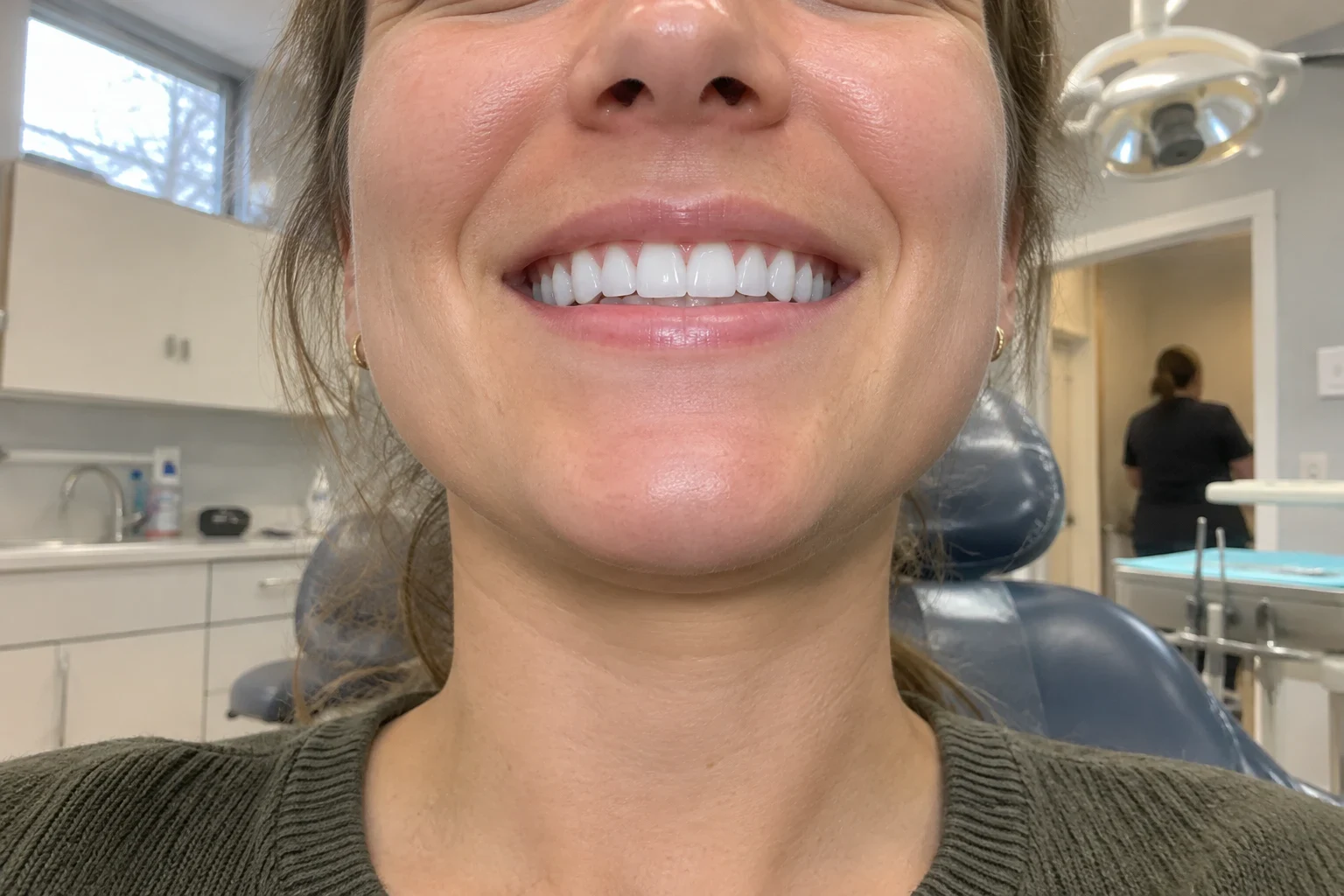
A small cavity is easiest to fix while it is still small. Patients come to us from Auburn, Worcester, Millbury and nearby towns, and every visit starts with an exam and an honest answer.