ServicesInvisalign / Clear Aligners
Invisalign and Clear Aligners in Auburn
Clear aligners can straighten crowded, gapped or crooked teeth without brackets or wires. Before we talk about trays, we look closely at your teeth, gums and bite and tell you plainly whether aligners are a good fit for you.

What Clear Aligners Do and Who They Suit
Clear aligners are a series of thin, removable plastic trays. Each set moves your teeth a small, planned amount, and you switch to the next set on a schedule. Because they come out, you eat normally and brush and floss the way you always have.
They work well for many adults and older teens with mild to moderate crowding, spacing or some bite problems. They are not the right answer for everyone. Severe bite issues, active gum disease or untreated decay need attention first, and some cases do better with a different approach.
So every aligner case here begins with a full exam. You see what we see, we put it in plain words, and a treatment plan comes only after that. People make the drive from Worcester, Millbury and Shrewsbury as well as Auburn because they want a straight answer before they spend anything.
What Your Aligner Treatment Includes
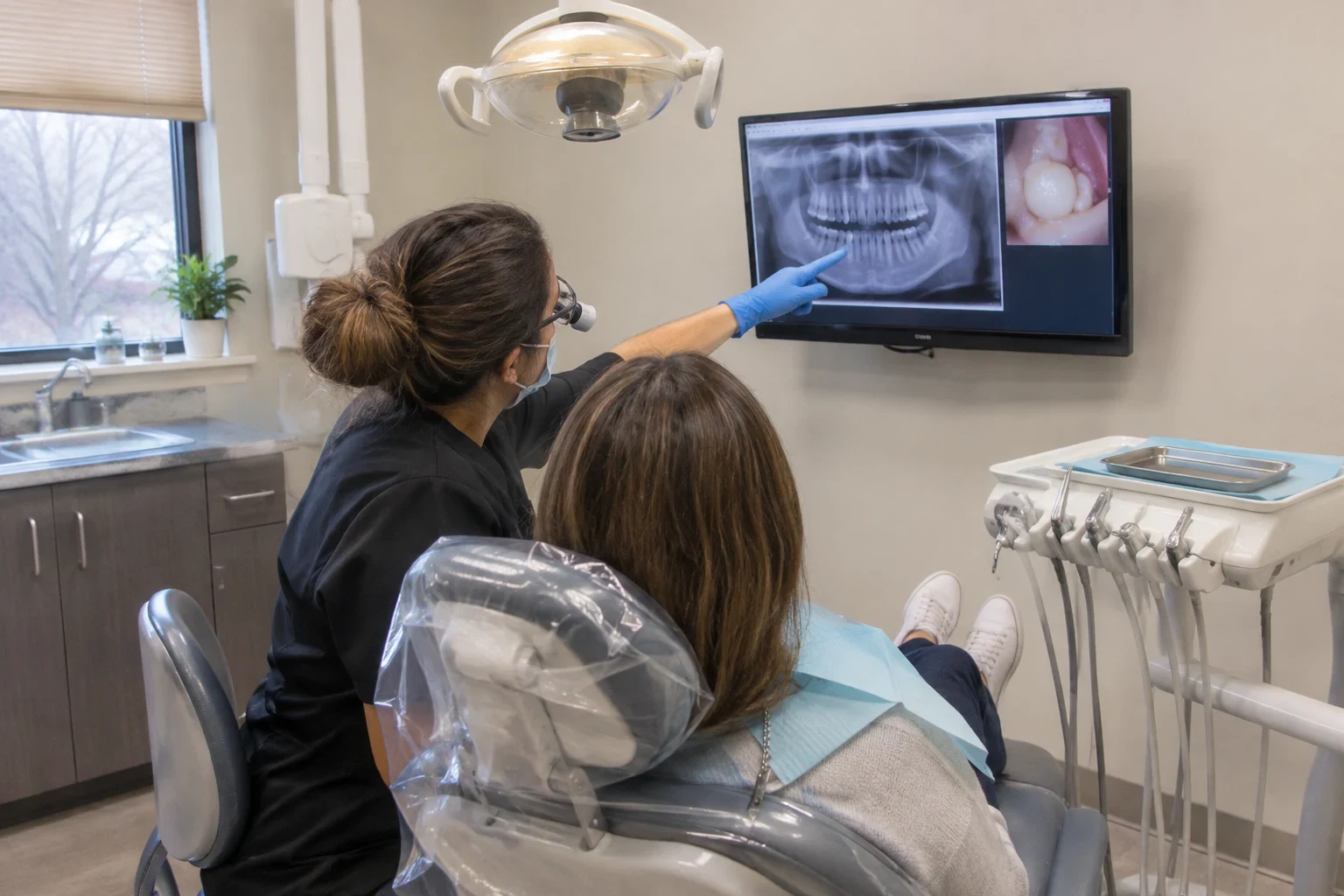
A full exam before anything else
We check for cavities, gum health, worn enamel and old fillings that might be loose. Moving teeth that have hidden problems can make those problems worse, so we find them first.
X-rays and bite records
X-rays show the roots and bone that support your teeth. We also record how your upper and lower teeth meet, which shapes the whole plan.
Digital scans and a preview
We scan your teeth to build your aligners and show you a preview of how they are planned to move. It helps you decide with a clear picture, not a sales pitch.
Attachments when needed
Some teeth need small tooth-colored bumps fixed to their surface so the trays can grip and turn them. We tell you if your case calls for them and where they will sit.
Regular check-ins
We see you at set intervals to make sure teeth are tracking as planned. If something lags, we adjust early instead of waiting.
Retainers to hold the result
Teeth tend to drift back after treatment. Retainers keep your new smile where it ended up, and we walk you through how and when to wear them.
Signs Clear Aligners May Help You
- Crowded front teeth
- Overlapping teeth are harder to clean, which can lead to plaque buildup and gum irritation over time.
- Gaps that bother you
- Spaces between teeth can trap food and affect how you feel about your smile.
- Teeth that shifted after braces
- Many adults had braces as kids and stopped wearing a retainer. Aligners are often a good way to correct that relapse.
- Uneven wear or a bite that feels off
- Teeth that hit in the wrong spots can chip or wear down. Your exam will show whether aligners can help or whether another option makes more sense.
- You want something low-key
- If metal braces are a dealbreaker for work or daily life, clear trays are hard to notice and come out for meals.
How Treatment Works, Step by Step
- 1
Exam and honest findings
We examine your teeth and gums, take X-rays and explain what we find. If you need cleanings, fillings or gum care first, we tell you before any aligner talk.
- 2
Scan and treatment plan
We take a digital scan and map out the tooth movement. You get a clear outline of how long it may take and what it involves.
- 3
Fitting your first aligners
We place any attachments and fit your first trays, then practice with you until slipping them on and off feels easy. You also learn how to rinse and clean them. Expect some pressure for a day or two with each new set.
- 4
Wear, switch and check in
You wear the trays most of the day, roughly 20 to 22 hours, and switch sets on schedule. We see you periodically to confirm progress.
- 5
Retainers and follow-up
When teeth reach their planned spot, we remove attachments and fit retainers so the result holds.
What Affects the Cost of Clear Aligners
The price of aligners comes down to how far your teeth have to travel and whether anything needs fixing before they start moving. We give you numbers after your exam, when we know your actual case, since a guess made over the phone would not help you plan. Most dental insurance plans are welcome at our office. If you have no coverage, our Office Dental Plan is built for you, and the CareCredit Patient Payment Plan lets you spread payments out over time.
- How complex your case is
- Nudging a few crowded front teeth takes fewer trays than reshaping how your bite meets. More sets and a longer timeline mean a higher cost.
- Care needed before aligners
- A cavity, gum treatment or a cracked tooth should be handled before any teeth shift. That care is billed on its own, apart from the aligners.
- Refinements
- Now and then a tooth or two needs an extra round of trays to finish. If your case looks likely to need that, we mention it up front.
- Retainers
- Retainers protect the result you worked for, so we bring them up at the first visit instead of surprising you with them at the end.
- Your insurance
- Orthodontic benefits vary a lot from plan to plan, and some plans have none. We help you check what yours covers before you decide anything.
Clear Aligner Questions We Hear Often
- How long does treatment usually take?
- That depends on how much your teeth need to move. Minor corrections can wrap up fairly quickly, while bigger changes take longer. Once we have examined and scanned your teeth, we give you an estimate based on your own mouth, not an average.
- Will wearing aligners be uncomfortable?
- A new set usually feels tight for the first day or so, and you may notice a dull ache on the teeth being moved. For most people that fades within a couple of days. Softer foods and an over-the-counter pain reliever help during that stretch.
- Do I need to remove the trays at mealtimes?
- Yes. Pop them out whenever you eat or sip anything besides plain water, then brush before you put them back. Otherwise sugar and food bits sit against your teeth under the plastic, and the trays stain and cloud up.
- What if the exam finds a cavity or gum problem?
- We take care of it first, whether that means a filling, a cleaning or gum care. Shifting teeth over untreated decay or inflamed gums can turn a small issue into a bigger one. We show you what we found and explain why it matters before we suggest next steps.
- Are aligners an option for teens?
- Often, if the teen is ready to wear them faithfully. We look at growth, the bite and how the adult teeth are coming in. If waiting a while or choosing another approach makes more sense, we tell you so plainly.
Find Out If Aligners Are Right for You
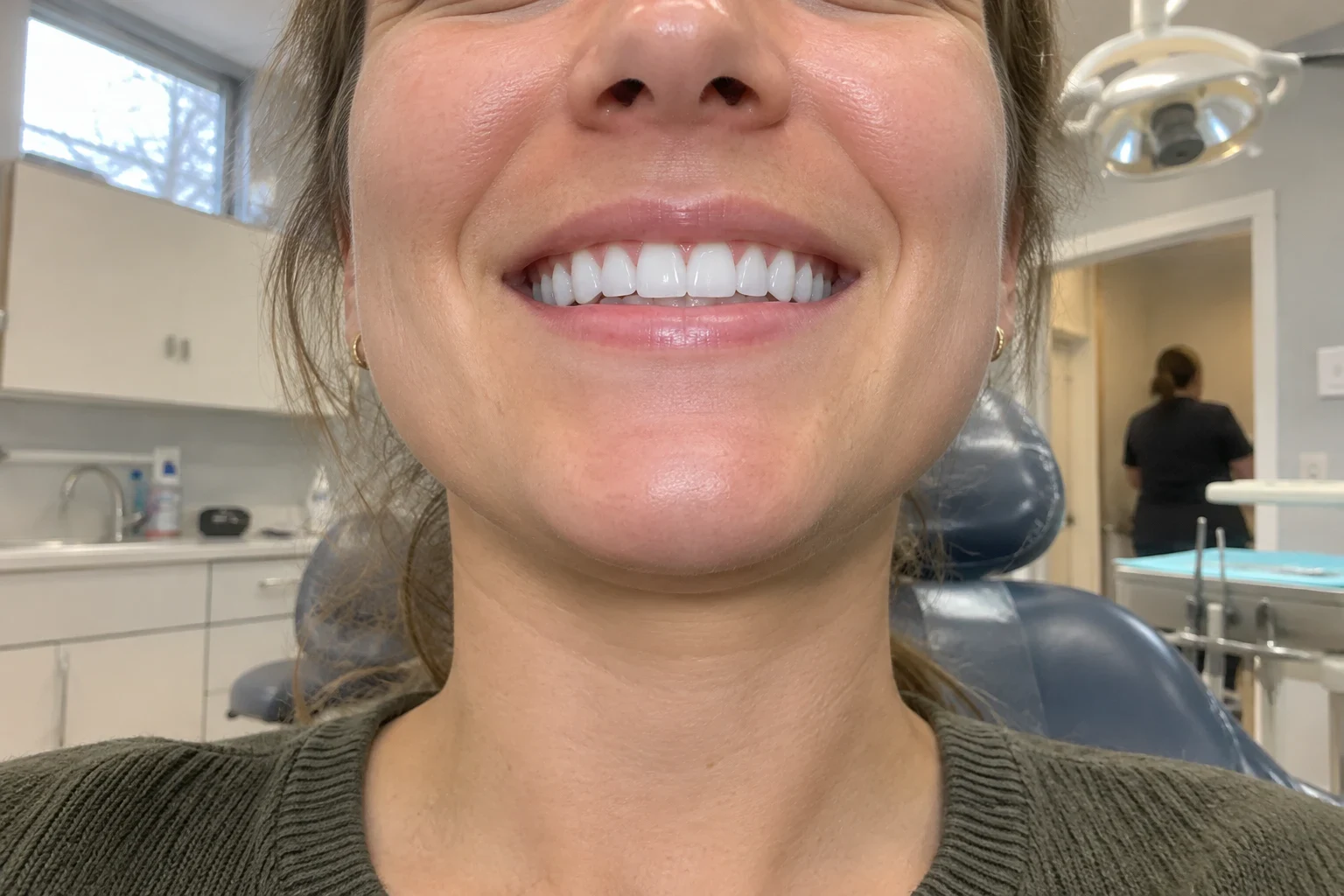
Start with an exam and a plain explanation of what we see. If aligners fit your teeth, we will map out a plan together. If they do not, we will tell you that too.